In a survey of 231 supply chain executives reproduced in AGC Partners’ 2025 report, 41% named last-mile delivery their biggest supply chain cost driver, more than twice the share who chose sorting.
The pressure is increasing. In AlixPartners’ 2026 Home Delivery Survey, 83% of executives reported rising per-package costs. Consumers expected free delivery within 2.6 days, compared with 3.5 days in the previous five years. Operators need savings while meeting tighter commitments.
Faced with those pressures, operators have several ways to pursue savings, including alternative fuels, vehicle conversions, and electric vehicles. Yet a fleet can still be driving unnecessary miles, deploying more vehicles than required, or making repeat trips after missed deliveries. Making each mile cheaper can help. But improving the daily plan can also reduce how much driving, vehicle capacity, and paid time the operation requires.
But how much more efficient can your routes really become? Your dispatcher may have 20 years of experience and know the operation inside and out, or your existing routing software may already be delivering results you consider good enough. The challenge is that identifying inefficient routes is only the beginning. The plan also needs to keep pace with changing traffic, delivery commitments, and vehicle availability.
The Last Mile Snowball Effect
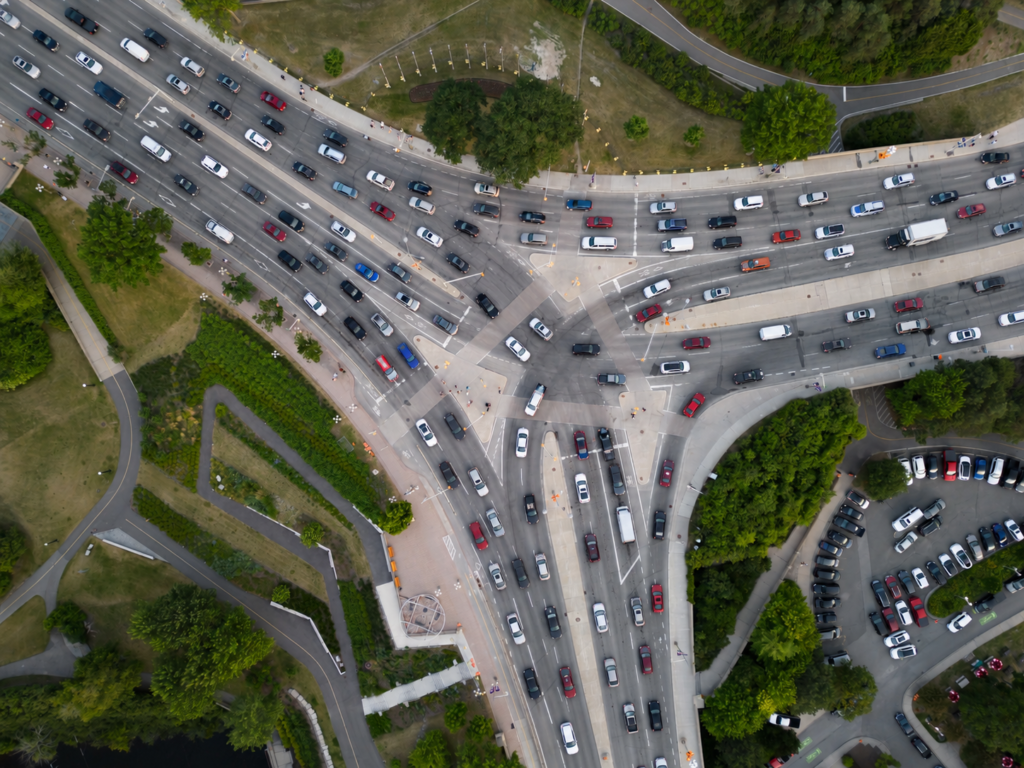
U.S. parcel volume reached 23.1 billion shipments in 2025, up 3.3% from the year before, according to Pitney Bowes. That growth is arriving on roads that are already under pressure. INRIX found that traffic delays increased in 62% of the urban areas covered by its 2025 Global Traffic Scorecard.
For delivery operators, these trends mean more stops to fit into a day already slowed by traffic. Tighter delivery windows leave less room to recover, so a delay at one stop can put later deliveries at risk. To catch up, an operator may send out another van, approve overtime, or return to a customer after a missed delivery. But each repeat attempt adds work to an already busy schedule, while extra vans and trips can contribute to congestion. Those additional delays can then require even more time and vehicles to get the work done. That is the snowball effect. The effort to keep up creates more work and pressure, pushing costs higher as the cycle repeats.
This helps explain the growing interest in route optimization. One global market report forecasts 19.9% annual growth from 2025 to 2032. For an individual fleet, the question is which planning strategy could help absorb that growing workload without increasing vehicles, driving time, and costs at the same pace.
The Cost Hidden Inside the Daily Plan
A better fuel price or a switch to electric can make each mile cheaper. But better route planning can reduce the miles required and potentially allow the same deliveries to be completed with fewer vehicles. That can change more than the fuel bill.
Avoiding unnecessary miles can reduce operating and maintenance costs, extend vehicle life, and potentially reduce the number of vehicles needed. These are benefits the U.S. Department of Energy highlights when recommending that fleets reduce mileage even as they improve fuel efficiency and adopt alternative fuels, including electricity. It specifically identifies better scheduling and routing as one way to achieve those mileage reductions.
For an inefficient fleet, those combined savings could outweigh a better fuel rate alone.
Where Scheduling Problems Hide
The difficulty is knowing how much opportunity remains in your own plan. A route may look sensible on a map while an alternative allocation of stops would produce a different result across the fleet. And when a delivery runs late, traffic may explain part of the problem. It is still worth examining whether the schedule allowed realistic travel and service time.
Unexpected congestion will always affect delivery operations. Re-optimization can help adjust the remaining schedule when delays occur, but its effectiveness depends on how much flexibility remains in the plan. A schedule based on optimistic driving times can leave a dispatcher trying to recover a day that had very little room for delay to begin with. Adding the same buffer to every route can also consume capacity that could have served customers.
Service windows make that problem more demanding. With a broad arrival window, a planner may be able to change the stop order. With a narrow window, the remaining choices may involve moving work to another vehicle or changing several later appointments. The impact of one delay can spread across the plan.

A Workable Plan Still Needs an Objective
Consider a customer whose delivery must arrive within a particular window. Moving that stop to another vehicle might shorten one route, but the receiving vehicle needs enough capacity and enough time to complete it. The change can affect arrival times and the work assigned later in the day.
A workable plan has to account for those connections. But several plans may satisfy the same operating rules while producing different results. The routing strategy tells the engine which business outcome to prioritize when choosing among them.
For an operator facing a driver shortage, the priority might be using fewer vehicles. Another may need to reduce total travel time. A third may want to distribute work more evenly so one driver is not carrying a disproportionate share. Each objective can lead to a different plan.
Using fewer vehicles may mean accepting more driving on some routes. The right choice depends on whether that additional travel costs less than putting another vehicle and driver on the road.
What Different Objectives Achieve
DDS Wireless’s product team examined different operational priorities in separate internal tests. Three examples show how the objective changes what a useful result looks like.
One test focused on a courier company’s delivery commitments. Of 642 deliveries, the observed operation missed 87 customer deadlines. The engine’s proposed plan missed none of those deadlines. The comparison examined whether a different schedule could meet the promises attached to that work.
Another test examined a commercial-linen operator’s busiest day. Its existing operation completed 198 of 564 deliveries using five vans. Configured to prioritize throughput, the engine proposed a plan covering 268 deliveries with the same five vans, approximately 35% more. The result showed an opportunity to schedule more of the available work within that test.
A third internal benchmark used four full days of parcel-delivery routes covering 17,735 stops. Across those days, the engine proposed plans covering the same stops with 100 vehicle assignments compared with 119 in the reference routes, approximately 16% fewer. Total planned distance was approximately 8% higher. The result illustrates the tradeoff between using fewer vehicles and reducing travel, and why the business objective matters when evaluating a plan.
These examples show why the business objective needs to come first. The courier test measured success through customer deadlines. The linen test measured it through deliveries covered by the available fleet. The parcel-delivery test examined using fewer vehicles while accepting more travel. A useful routing strategy starts with deciding which operational problem the plan needs to solve.
Source: DDS Wireless internal benchmarking
Building the Plan Around Your Business Priorities
What a fleet needs, then, is a routing solution that lets its business priorities guide the plan. Reducing travel, working with fewer vehicles, and distributing work more evenly are different goals. A planner needs control over which one takes priority, alongside the delivery commitments and operating limits the plan must respect.
That also means being able to examine the alternatives. Using the same jobs, vehicles, and operating rules, planners should be able to see how a change in strategy affects travel, vehicle requirements, and the work the fleet can cover. If some deliveries cannot fit, understanding why helps identify what needs to change.
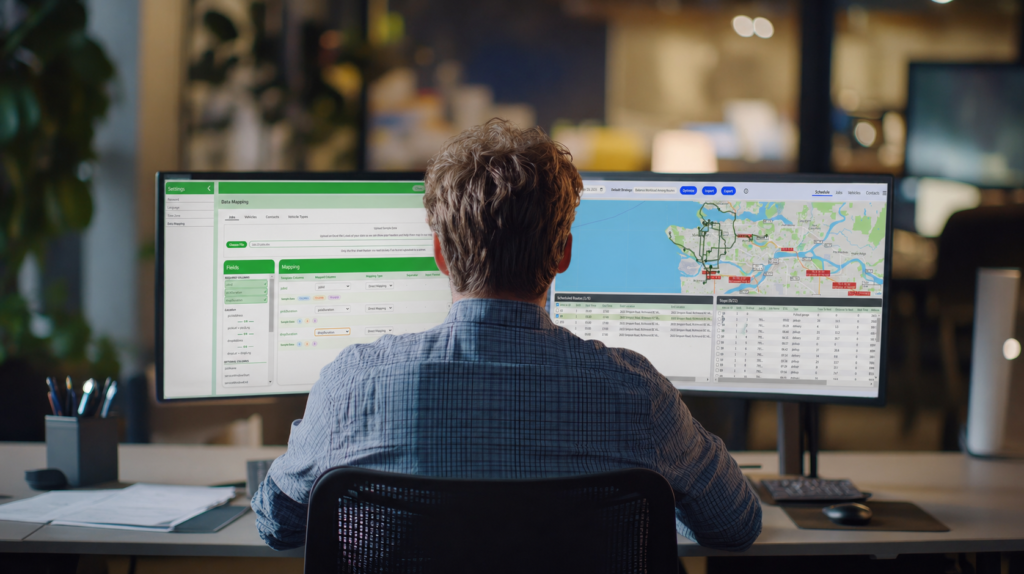
That is the approach behind route optimization tools such as Scheduled Routes. Planners can choose strategies for minimizing travel time, using fewer vehicles, or balancing workloads. Custom strategies can also be configured for more specific business priorities, allowing planners to explore further efficiency gains beyond the standard options. These strategies guide how the engine assigns jobs and schedules the work within the operating constraints. Comparing the resulting travel, vehicle requirements, and work covered against the current plan helps answer how much more efficient your routes could become, even when the existing plan already looks good enough.
Before accepting another vehicle or another hour of overtime as the cost of growth, test what a different planning strategy could achieve.
DDS Wireless Inc. develops routing and scheduling technology for vehicle-based operations across North America and Europe. Our Scheduled Routes platform is a route optimization solution that helps fleet teams plan and adjust multi-stop routes with real operational constraints in mind.
To explore what a different routing strategy could mean for your operation, bring a representative day’s work and the outcome you most need to improve. The Scheduled Routes team can help compare alternative plans and model the potential cost impact before you decide how to proceed.