
June 12, 2026
TL;DR:
Mixed fleets give operators more flexibility, but only if each vehicle is assigned to the routes where it fits best.
Smarter EV route planning and route optimization can help fleets manage vehicle range, charging considerations, and daily route changes more effectively.
Electric vehicles are already becoming more common in fleet operations, making EV route planning a more important part of daily fleet strategy. Whether a fleet has 1,000 vehicles or a dozen, most operators are adding EVs gradually, route by route, vehicle by vehicle.
Delivery fleets have already been putting electric vehicles into service, with Amazon operating thousands of electric delivery vans. The shift is also showing up in field service, passenger transportation, and waste operations, where fleets are testing or adding EVs for local routes, on-demand trips, and specialized work. The pattern is clear. EVs are proving useful across many types of fleet operations.
The harder question is not whether EVs can be used. The harder question is where they fit, which routes they should handle, and how they work alongside the fuel-powered and hybrid vehicles already in service.
For many fleet teams, the challenge begins before the first route is assigned. A mixed fleet gives dispatchers more vehicle options, but it also creates more ways to make the wrong assignment. An EV may be available, but that does not mean it is the best fit for a route with uncertain mileage, tight time windows, or last-minute changes. A gas or diesel vehicle may be easier to send, but using it on a route an EV could handle may waste an opportunity to reduce fuel use and operating costs. The value of a mixed fleet depends on making those decisions intentionally, not just choosing whichever vehicle is open.
The value of mixed fleets does not simply come from giving operators more vehicle options. The real value comes from knowing when and where to use each vehicle type, especially when the route, schedule, vehicle limits, and last-minute changes all collide.
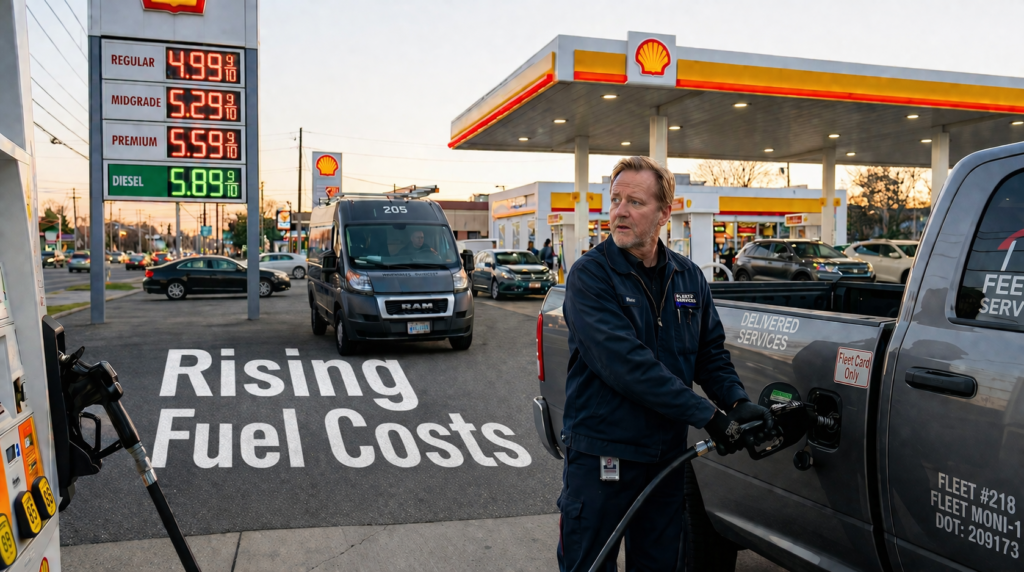
There are practical reasons mixed fleets are becoming the middle ground. Fleets are under pressure to reduce emissions, control operating costs, and prepare for changing customer and regulatory expectations. A 2025 fleet survey found that 64% of fleet professionals already operate EVs, while 87% plan fleet electrification within five years. But that same study also pointed to the barriers holding full adoption back, including upfront vehicle costs, charging limitations, range anxiety, and infrastructure costs.
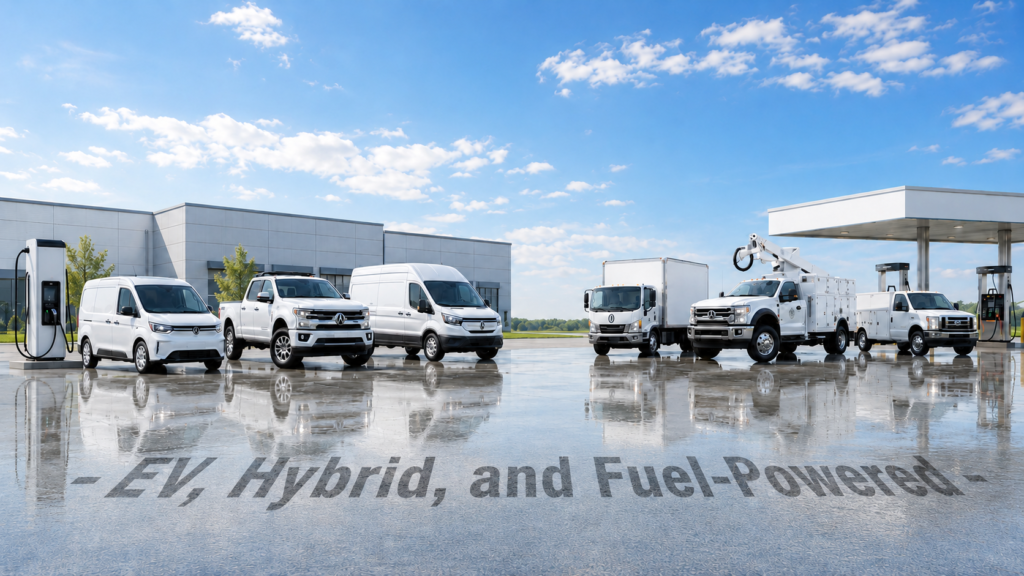
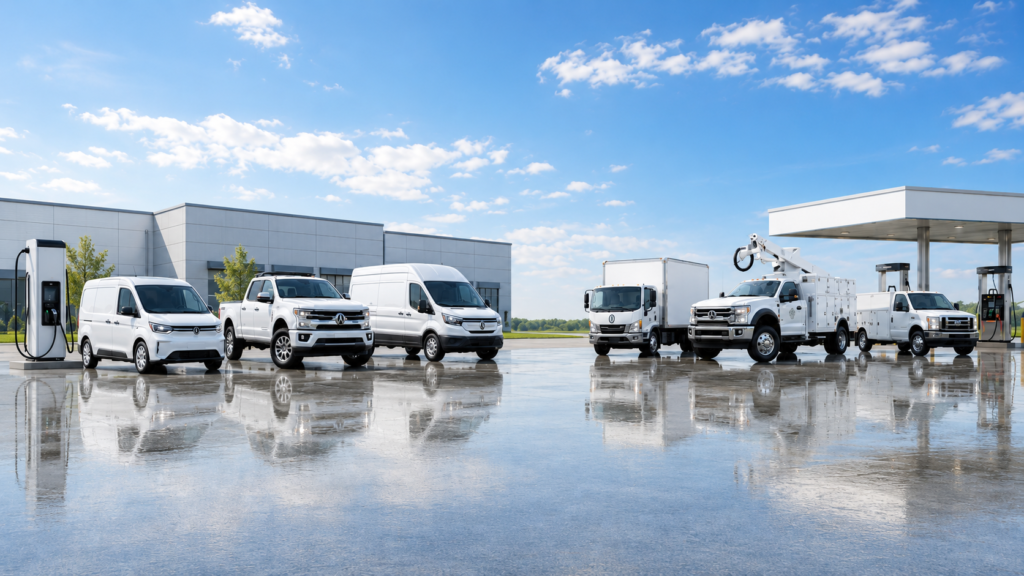
That is why mixed fleets make sense. EVs can take the routes where they fit, while gas/diesel and hybrid vehicles cover the work where electrification is not ready yet. That flexibility is the advantage, but it only matters if the routing process can keep up.
In a mixed fleet, the crucial question becomes, “Which vehicle actually fits this route, this schedule, and today’s operating conditions?”
An EV may be a strong fit for a dense local route with predictable mileage and a return-to-depot schedule. A hybrid may be better for a route that mixes city driving with longer distances. A gas or diesel vehicle may still make more sense for longer routes, heavier loads, remote service areas, or work that changes throughout the day.
That range of options can be a major advantage, but only if the vehicles are assigned intentionally. A route that looks efficient on a map may not be the right route for an EV if it pushes too close to battery range, creates a charging conflict, or leaves too little flexibility for last-minute work. At the same time, assigning a gas vehicle to a route an EV could have handled may mean missing an opportunity to reduce fuel use and emissions. The route is only efficient if the assigned vehicle can complete it reliably. That is why vehicle assignment becomes part of route planning itself.
Research by Frost & Sullivan reports that mixed-energy fleets are likely the norm during the commercial EV transition. It notes that electrification will not happen overnight, and operators must balance decarbonization goals with operational efficiency. During this transition, the value of mixed fleets comes from using each vehicle where it works best.
The details change by industry, but the principle stays the same. Delivery fleets may use EVs for dense, predictable routes while keeping gas or hybrid vehicles available for longer service areas. Field service and passenger transportation teams may need to balance range, time windows, vehicle type, accessibility needs, and changing demand.
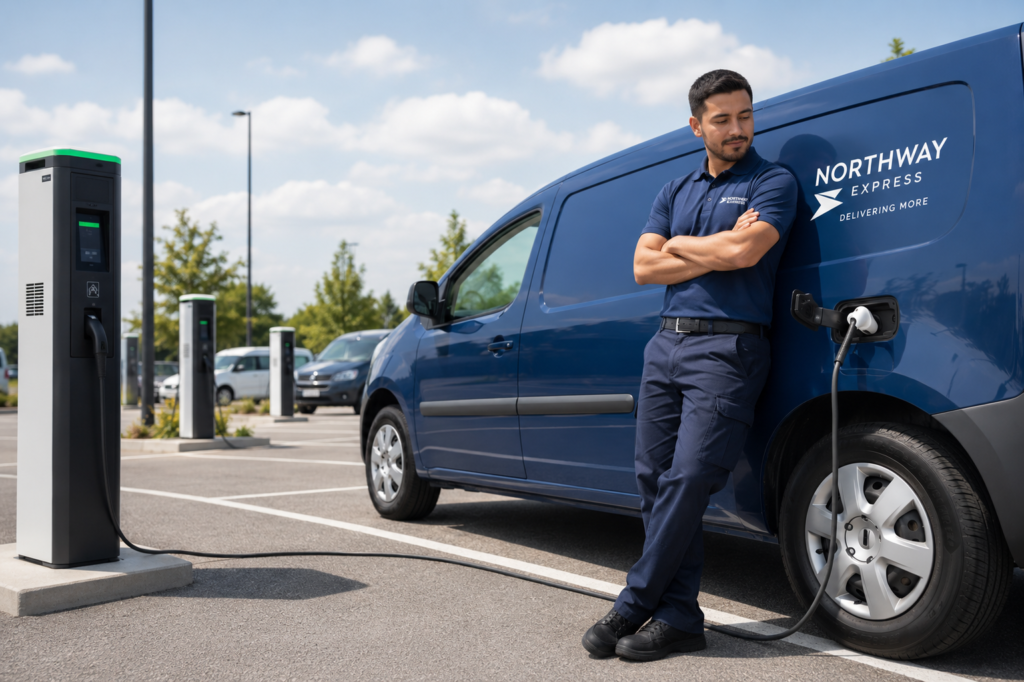
EVs can be especially useful when mileage is predictable, vehicles return to base, and charging can be planned into the workday. But EV route planning has to consider more than stop order and distance.
Range is not a fixed number. WEX’s mixed-energy fleet report highlights that effective EV route planning depends on factors such as weather, road surface, elevation, speed, battery capacity, vehicle payload, and charging station availability. That matters because two routes with the same mileage may not place the same demand on an EV. A flat local route with light payloads may be manageable, while a route with hills, heavier loads, colder weather, or higher speeds may use more battery than expected.
Charging adds another layer. The same report found 78% of surveyed organizations had onsite charging, while 62% also used public charging and 23% had drivers charging at home. That shows why EV route planning is not just about whether a vehicle can complete the route. It also has to consider where and when that vehicle can recharge, and whether the route leaves enough flexibility for the rest of the day.
Those details all affect which vehicle should handle the route. A predictable route close to the depot may be a good EV fit, while a longer, heavier, or less predictable route may be better suited to a hybrid or gas vehicle.
Basic route planning still matters. Stop order, distance, traffic, and driver availability all affect the day. But mixed fleets add another layer because the vehicle decision, route decision, and schedule decision are all connected.
That is manageable when the fleet is small and the work is predictable. It gets harder as the operation grows to 25, 50, 100, or 500+ vehicles, especially when gas, hybrid, and electric vehicles are all part of the same plan. Add variable routes, urgent requests, customer cancellations, traffic delays, and shifting pickup or delivery volumes, and the shortest route is not always the best route. The best route is the one that survives the day.
This is why vehicle assignment, route planning, and scheduling cannot be treated as separate decisions. A 2025 research paper from Cornell University on electrifying demand-responsive fleet services makes the same point, treating fleet size, charging infrastructure, and mixed-fleet routing as connected planning decisions. It reinforces the point that the size of the fleet, where vehicles can charge, and which routes they are assigned to all affect whether the daily schedule can actually work.
That is the issue many operators eventually run into. A route can look efficient in isolation but still fail in practice if the wrong vehicle is assigned, the schedule is too tight, or the vehicle’s operating limits are not accounted for.
That is where route optimization becomes a clear investment in making the whole operation easier to manage.
This is not just about drawing a cleaner line on a map. It is about building a route that a real vehicle, driver, and schedule can actually complete.
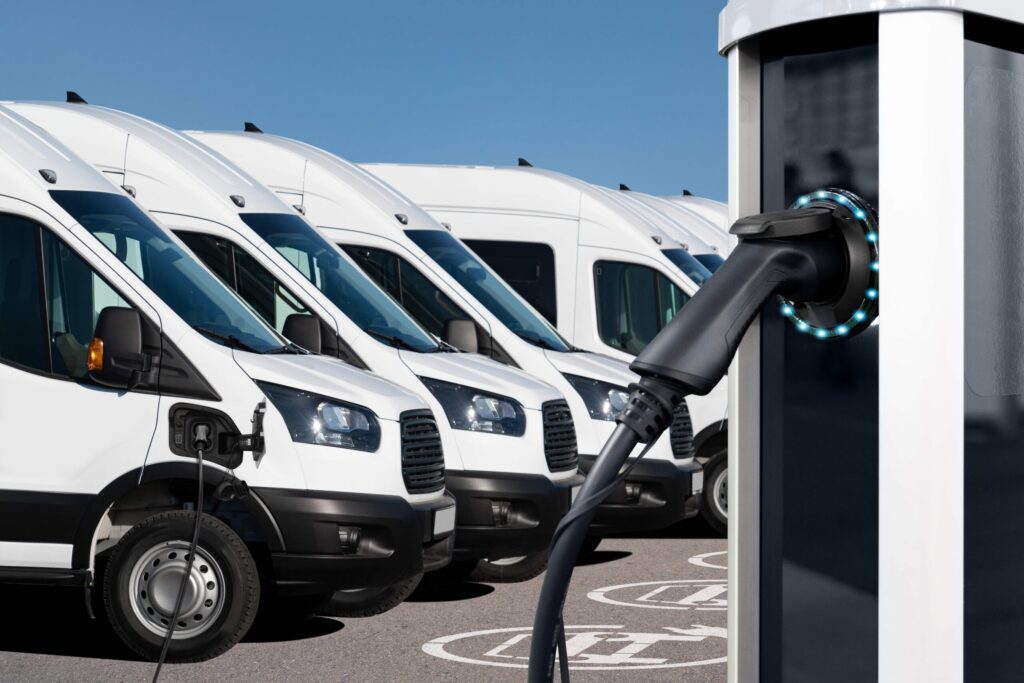
A mixed fleet can be one of the most practical setups for modern fleet operations, but only when the routing process reflects how different each vehicle type really is.
EVs may be the right fit for predictable local work. Hybrids may cover routes with more varied driving conditions. Gas and diesel vehicles may still make sense for longer, heavier, or less predictable routes. The value of a mixed fleet comes from knowing where each vehicle fits.
That is why EV route planning and mixed-fleet routing need to work together. The route plan has to match the right vehicle to the right work, account for range and charging considerations, and adapt when the day changes without forcing dispatchers to rebuild everything by hand.
This is where a route optimization solution like Scheduled Routes can help. Instead of asking dispatchers to weigh every vehicle, route, time window, capacity limit, and EV-related consideration by hand, Scheduled Routes helps fleet teams build route plans around the operational constraints that actually affect the day. It can support multi-stop, multi-vehicle routing around real operating constraints, so fleet teams can better match vehicles, routes, and schedules.
Just as importantly, working with a route optimization team like Scheduled Routes can also help operators identify where EV-specific solutions may fit into the broader operation, from route efficiency and return-to-depot planning to charging station considerations and supporting systems.
When gas/diesel, hybrid, and electric vehicles are planned together instead of separately, a mixed fleet becomes more than a temporary bridge to electrification. It becomes a more flexible operating model. The goal is not to force every route into an EV or treat every vehicle the same. The goal is to give dispatchers a route plan that reflects the real tradeoffs they already manage every day: range, timing, capacity, charging considerations, customer needs, and unexpected changes.
DDS Wireless Inc. develops routing and scheduling technology for vehicle-based operations across North America and Europe. Our Scheduled Routes platform is a route optimization solution that helps fleet teams plan and adjust multi-stop routes with real operational constraints in mind.