
January 19, 2026
If you run a business where people or vehicles travel to multiple stops in a day, you have probably felt it. Fuel is unpredictable, labor is expensive, and a small routing mistake can snowball into late arrivals, overtime, and frustrated customers.
Route optimization is the process of planning the best set of routes and stop order across a day so teams spend less time and money getting from stop to stop, while still meeting real constraints like time windows, capacity, and shift limits. One common definition describes it as planning the fastest and most cost-effective way for mobile workers to travel between appointments.
This guide is for operators in the U.S. and Canada who want a clear explanation of what route optimization means, why it saves money, and what people mean when they say “route optimization solutions.”
A quick misconception to clear up: route optimization is not the same as getting directions from a map app.
The “best plan” depends on what you are trying to improve. In some cases, the goal is the shortest total drive time. For others, it is fewer miles or fewer late arrivals. Most operations aim for a balance.
Underneath most route optimization tools is a family of problems known as the Vehicle Routing Problem (VRP), a classic combinatorial optimization problem. VRP grows hard fast as stops and constraints pile up, which is why real-world systems lean on heuristics and practical methods instead of perfect brute-force answers.
That detail matters because it explains why “just plan it by hand” breaks down once you have real constraints and real scale.
This is a difference people feel immediately in day-to-day operations.
Static route optimization means you plan routes once from a known set of stops, then run the day on that plan. This works best when stops rarely change and service is fairly predictable.
Dynamic route optimization means the plan can be updated as the day changes. Cancellations happen. New jobs come in. Traffic shifts. Vehicles run late. A dynamic approach re-optimizes to keep the schedule workable.
Most businesses looking up “route optimization” are dealing with some level of dynamic routing, even if only a few stops change each day.
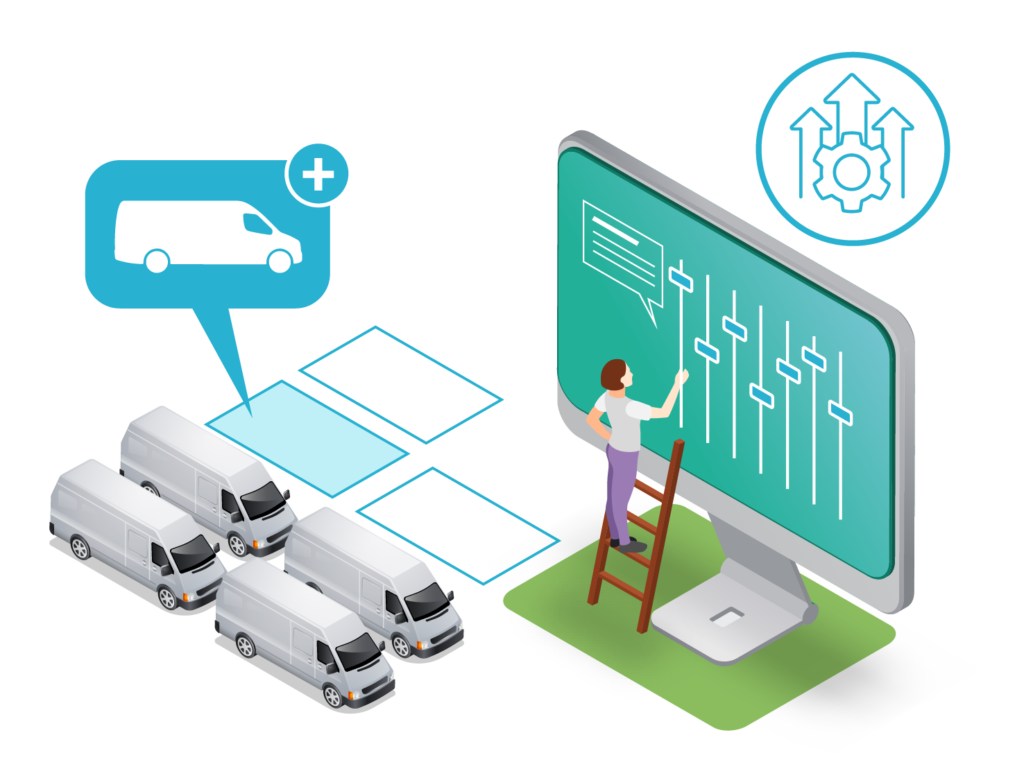
In fleet operations, the biggest costs are not mysterious. Miles and minutes have price tags attached to them.
In trucking, the operational cost work from ATRI (American Transportation Research Institute) is frequently used as a benchmark for how expensive each mile can be, and how costs swing with fuel and other inputs.
Even if you are not a long-haul carrier, the cost structure is similar across delivery, service fleets, passenger transport, and municipal operations:
Route optimization helps because it reduces avoidable driving and because it builds plans around constraints you already have, like time windows and shift limits.
One detail that hits home for last-mile operators is how expensive the last mile can be. An analysis from FarEye says last-mile delivery accounts for 53% of overall shipping and delivery costs on average.
If the most expensive part of the workflow is the part where your team is physically moving, then it makes sense that improving how they move is one of the quickest ways to reduce overhead.
Route optimization is building a day’s plan for vehicles or mobile workers that reduces total travel time and cost while still meeting constraints like time windows, capacity, and shift limits.
When people say “route optimization solution,” they are usually talking about software that does one or both of these jobs:
You will see this idea described directly in fleet routing technology, such as Google’s very own route optimization tool, where systems generate route plans for single or multiple vehicles and their stops, and allow objectives like cost, time constraints, and customer needs to shape the result.
Most solutions come in two common shapes.
These are subscription tools you log into. In many organizations, they are desktop applications installed on a computer, paired with a driver app installed on a mobile device. They usually include:
Application-based tools are often the fastest option if you want something you can deploy quickly without building your own systems.
APIs and SDKs are designed for teams that want optimization embedded directly into their own software, such as a dispatch system, booking portal, or mobile app.
A simple way to think about it is this: applications are finished tools you operate, while APIs are building blocks you integrate into your existing software. If you already use fleet management software, a CRM, or an ERP or FSM platform, an API lets you connect optimization into the workflows you already run.
The right choice depends on factors like company size, operational needs, and how your current workflows are set up.
These are the industries you mentioned, plus the kinds of cost savings that tend to show up.
If you deliver parcels, food, furniture, or B2B supplies, you have two big enemies: repeated backtracking and missed delivery windows.
Route optimization helps you group stops so drivers are not bouncing between neighborhoods all day, and it can build sequences that better match promised time windows and real travel time.
Field service looks simple on paper: a list of appointments. In the real world, it is a moving puzzle.
Route optimization in field service is mostly about reducing drive time between jobs so technicians spend more of the day working, not driving. Salesforce describes route optimization as planning the fastest and most cost-effective way for mobile workers to travel between appointments. In practice, the savings show up as fewer miles per technician, less overtime, and more appointments completed without adding staff.
Passenger transport often has tight constraints: pickup and drop-off windows, ride time limits, and vehicle accessibility requirements.
Public paratransit and demand-responsive services have long used scheduling and dispatch optimization to improve service and control operating costs. An FTA (Federal Transit Administration) report on a micro-transit and paratransit effort describes an automated, data-driven dispatch approach aimed at optimizing the cost of managing transportation operations.
For services like NEMT and limousine operators, the “cost leak” is often deadhead miles and schedule drift. Better planning reduces empty driving, reduces late pickups that trigger re-dispatch, and makes it easier to string trips together in a way that actually works.
Some operations do not fit neatly into “delivery” or “field service,” but they still live or die by routing and scheduling. Waste and recycling collection are the obvious examples, but the same logic shows up in portable toilet servicing and deliveries, towing and roadside assistance, landscaping crews, snow removal, pool servicing, equipment pickup and drop-off, and other businesses that run a route with recurring stops plus last-minute changes.
In these businesses, optimization is often about removing repeat driving, balancing workloads across vehicles, and building a schedule that matches constraints like disposal facility hours, service time on-site, and vehicle capacity. A case study in solid waste collection from Sol Analytics showed a facilities management operator used route optimization for waste operations that included both scheduled work and last minute trips, using real inputs like GPS and vehicle utilization. They reported over 30% savings on daily running kilometers, showing how optimization can pay off when routes change day to day.
Those results will not copy and paste to every operation, but the direction is consistent: fewer wasted miles, fewer route “loops,” and fewer days where the schedule collapses because the plan never matched reality.
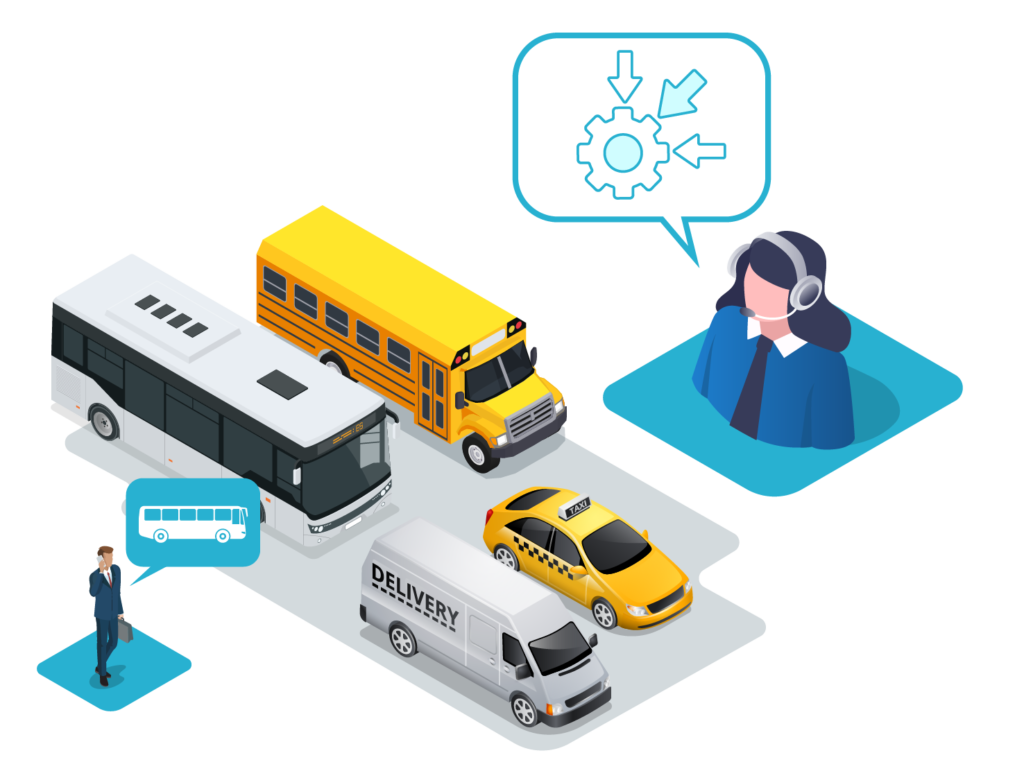
If you are evaluating tools or trying to improve your process, these inputs usually separate “nice map” from “real savings.”
Most people do not search “route optimization” out of curiosity. They search it because something in operations feels expensive or out of control.
Maybe it looks like this:
At this point, you should have a clear answer to the question you came in with. Effective route optimization means planning routes and stop order across the day so you spend less time and distance on the road while still meeting real constraints like time windows, capacity, and shift limits.
If you started reading because you were trying to cut costs for your routing and scheduling operations, here is the takeaway to keep:
Route optimization is a cost-control method that happens to look like routing. It reduces waste in a few predictable ways: fewer unnecessary miles, less time lost to backtracking and poor stop ordering, fewer late stops that cascade into overtime, and better use of vehicles and staff.
If that was what you came here to understand, you should now have what you need: a clean definition of route optimization, a sense of why it saves money, a few concrete examples across industries, and a clear view of what “route optimization solutions” usually mean, whether that is a software platform or an API you integrate into your own systems.
Route planning is usually about directions for one trip. Route optimization is about choosing the best set of routes and stop order across many stops, often across multiple vehicles, while meeting constraints.
Common constraints include time windows, vehicle capacity, driver shift limits, break rules, vehicle types, skills, and service time at each stop.
VRP stands for Vehicle Routing Problem. It is a family of optimization problems focused on finding efficient routes for a fleet serving many stops. It becomes very hard to solve exactly at scale, so practical systems use approximation methods.
No. It is used in delivery, field service, passenger transport, municipal operations, and many specialty fleets like waste, towing, and snow removal.
Yes, if the system supports dynamic optimization. That is the useful part for many real operations where stops change, jobs get added, and schedules drift.
If you manage multiple stops per day and you deal with any of the following, it is usually a fit: time windows, frequent changes, too much overtime, too many miles, too much manual dispatch work, or inconsistent on-time performance.
This article was published by DDS Wireless International Inc., the team behind Scheduled Routes, a route optimization solution used to plan and adjust multi-stop routes with real operational constraints in mind.