
December 22, 2025
TL;DR Summary
The problem: Last-mile delivery is growing, but many operators quietly lose margin through small, compounding routing inefficiencies.
Why it happens: Static route planning cannot keep up with multi-route complexity, rolling orders, tight time windows, and mid-day changes.
The impact: Extra miles, overtime, missed SLAs, and lower on-time performance erode profit over time.
The fix: Use route optimization software that dynamically re-plans routes based on real-world constraints and changing conditions.
The takeaway: Last-mile operators who treat route planning as a continuous process protect margins and improve reliability.
The last-mile delivery industry is growing fast, driven by e-commerce demand and rising customer expectations. Some operators are scaling successfully, while others struggle to keep pace. When problems arise, last-mile operations rarely fail in obvious or immediate ways.
There is no fleet-wide breakdown. Instead, profit leaks out quietly. One delivery window missed by fifteen minutes. One driver running long on a multi-territory route. One extra mile driven because congestion was worse than expected. Over weeks and months, these small failures compound into overtime, exceptions, customer complaints, and thinner margins.
If you are a small or mid-sized last-mile operator, a parcel delivery contractor, a regional courier, or an ISP running multiple routes and territories, this is likely familiar. The cause is not that you are doing a bad job. It is that the last mile has structurally changed.
Last-mile delivery is widely recognized as the most expensive segment of e-commerce logistics. Capgemini reports that last-mile delivery can account for more than 40% of total logistics costs for e-commerce, driven by labor intensity, failed deliveries, and inefficiencies.
At the same time, the operating environment has become harder to plan around. McKinsey notes that growing urban congestion and limited curb access increase variability in travel and stop times, while tighter promised delivery windows leave less room to absorb delays. Combined with rising customer expectations for precise ETAs and reliable delivery, these factors significantly increase last-mile complexity and operational pressure for delivery networks.
For last-mile operators, that complexity shows up as daily friction:
Static route planning was not built for this environment.
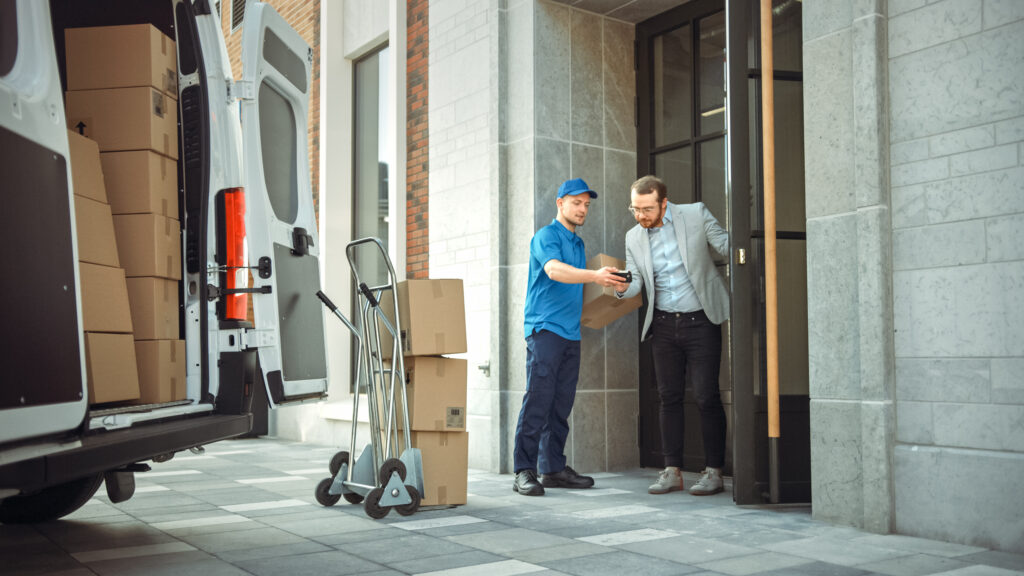
Many contractors still rely on spreadsheets, basic map tools, or driver familiarity for route planning. That can work at low stop counts. It breaks as complexity rises, especially when you add time windows, variable service times, and mid-route changes.
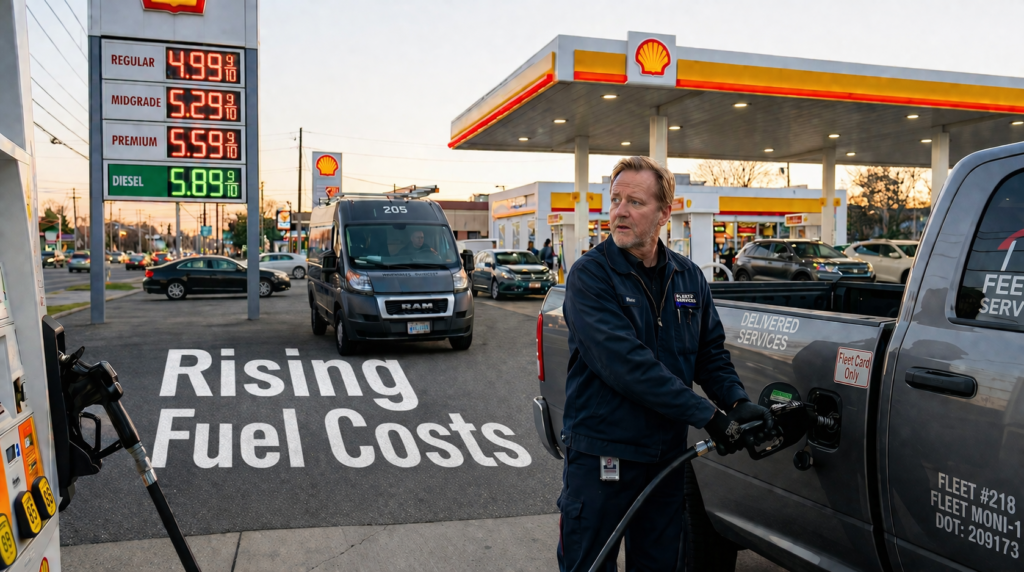
ATRI’s operational cost research shows how sensitive delivery operating costs are to miles, time, and utilization. When miles creep up, fuel, labor, and equipment costs rise with it.
This is why the pain often feels invisible. No single day looks catastrophic. But the system drifts into a state where you are paying more per stop and getting fewer stops per driver-hour.
Late deliveries are not just a customer experience problem. They are a cost problem.
McKinsey explains that improving on-time performance by 10% to 15% can reduce total delivery costs by up to 15% by reducing overtime, reattempts, and exception handling.
That matters for parcel contractors and regional couriers because “almost on time” often triggers a chain reaction:

The fix is not “work harder.” The fix is routing discipline that matches today’s variability. Practically, that means choosing route optimization solutions that can keep up with real-world change, without forcing dispatch to rebuild plans by hand.
Below is a playbook you can apply whether you are evaluating route optimization software, replacing spreadsheets with software for route planning, or upgrading from a basic map tool to full route scheduling software.
Static plans assume the day will behave. It rarely does. In real operations, new information arrives throughout the day, like changing traffic conditions, late stops, cancellations, or add-on requests, which is why routing problems are often treated as dynamic and solved with ongoing updates rather than a single fixed plan. A study published in Applied Sciences highlights that dynamic routing approaches significantly outperform static routing in environments with traffic variability, time windows, and mid-day order changes, which closely mirror last-mile delivery conditions.
This is the practical difference between simple navigation tools and true routing optimization software or routing software designed for multi-stop operations.
Many teams plan as if shortest distance is the goal. In reality, constraints drive margin:
This is where route planner software and specialized route scheduling software separate themselves from basic tools. The best systems optimize with constraints, not around them.
Because on-time performance is directly tied to failed deliveries, reattempts, overtime, and exception handling, it is also directly tied to margin. Research from the Capgemini shows that missed delivery windows and delivery failures are among the largest contributors to last-mile delivery costs, reinforcing why improving OTP is an operational lever, not just a brand or service issue
A simple starting dashboard for contractors:
Then use optimization to improve the worst-performing territories first.
UPS’s ORION is a public example showing algorithmic routing can outperform manual decision-making in complex delivery environments, saving about 100 million miles and 10 million gallons of fuel per year.
You do not need UPS scale for the principle to hold. For contractors running multiple routes and territories, complexity favors algorithms.
Consumer expectations have increasingly shifted toward tighter delivery windows. McKinsey reports that 20% to 25% of consumers would opt for same-day or instant delivery if priced affordably, far above current delivery volumes, a gap that adds routing complexity and planning pressure for last-mile operators. PwC reports that 41% of consumers are willing to pay extra for same-day delivery, reinforcing how delivery speed and reliability have become baseline expectations rather than differentiators.
In contractor networks, that often translates into less tolerance for missed windows and higher pressure to keep plans accurate all day, not just at dispatch time.
If you are searching for the best route optimization software (or the best routing software), the right answer depends on what you are actually trying to control.
For last-mile contractors, “best” usually means:
That is the practical bar for modern route optimization solutions, whether you call it route optimization software, routing optimization software, or an end-to-end dispatch workflow upgrade.
Adoption is accelerating. Grand View Research estimates the route optimization software market is growing at over 14% annually, driven largely by last-mile and regional delivery use cases.
That trend is not about hype. It reflects that static planning is increasingly brittle in the economics of last mile delivery.
As routing complexity increases and plans change more frequently during the day, routing tools are now playing a pivotal role in how operators support daily operations. Some operators have started to adopt dedicated platforms such as Scheduled Routes™ as part of dispatch, depending on route complexity and how often plans change during the day.
Last-mile delivery rarely breaks loudly. It leaks profit quietly.
If you are running multi-route territories as a parcel contractor, a regional courier, or an ISP, the question is not whether optimization helps. It is whether your current approach to route planning is built for the variability you face every day.
Fixing it means moving from static planning to real optimization, measuring what actually drives margin, and choosing routing tools that can re-plan as the day changes in real operating conditions.