
22. joulukuuta 2025
TL;DR Yhteenveto
Ongelma: Viimeisen kilometrin toimitukset ovat kasvussa, mutta monet operaattorit menettävät hiljaa marginaaliaan pienien, kumuloituvien reitityksen tehottomuuksien vuoksi.
Miksi näin tapahtuu: Staattinen reittisuunnittelu ei pysty vastaamaan monireittisen monimutkaisuuden, jatkuvasti muuttuvien tilausten, tiukkojen aikataulujen ja keskipäivän muutosten haasteisiin.
Vaikutus: Ylimääräiset kilometrit, ylityöt, SLA-sopimusten rikkominen ja heikentynyt täsmällisyys heikentävät kannattavuutta ajan mittaan.
Ratkaisu: Käytä reitinoptimointiohjelmistoa, joka suunnittelee reitit dynaamisesti uudelleen todellisten rajoitusten ja muuttuvien olosuhteiden perusteella.
Johtopäätös: Viimeisen kilometrin operaattorit, jotka käsittelevät reittisuunnittelua jatkuvana prosessina, suojaavat marginaalejaan ja parantavat luotettavuuttaan.
Viimeisen kilometrin toimitusala kasvaa nopeasti verkkokaupan kysynnän ja asiakkaiden kasvavien odotusten vauhdittamana. Jotkut toimijat laajentavat toimintaansa menestyksekkäästi, kun taas toiset kamppailevat pysyäkseen mukana kehityksessä. Ongelmien ilmetessä viimeisen kilometrin toimitukset harvoin epäonnistuvat ilmeisellä tai välittömällä tavalla.
Koko kalustoa koskevaa vikaa ei ole. Sen sijaan voitto valuu hiljaa pois. Yksi toimitusaika myöhästyy viisitoista minuuttia. Yksi kuljettaja ajaa liian pitkään usean alueen reitillä. Ajetaan ylimääräinen maili, koska ruuhka oli odotettua pahempi. Viikkojen ja kuukausien kuluessa nämä pienet epäonnistumiset kertyvät ylitöiksi, poikkeuksiksi, asiakaspalautteiksi ja pienemmiksi katteiksi.
Jos olet pieni tai keskisuuri viimeisen kilometrin operaattori, pakettitoimitusurakoitsija, alueellinen kuriiri tai useita reittejä ja alueita hallinnoiva internetpalveluntarjoaja, tämä on todennäköisesti tuttu tilanne. Syynä ei ole se, että tekisit huonoa työtä. Syynä on se, että viimeinen kilometri on muuttunut rakenteellisesti.
Viimeisen kilometrin toimitus on yleisesti tunnustettu verkkokaupan logistiikan kalleimmaksi segmentiksi. Capgemini raportoi , että viimeisen kilometrin toimitukset voivat muodostaa yli 40 % verkkokaupan kokonaislogistiikkakustannuksista, mikä johtuu työvoimavaltaisuudesta, epäonnistuneista toimituksista ja tehottomuudesta.
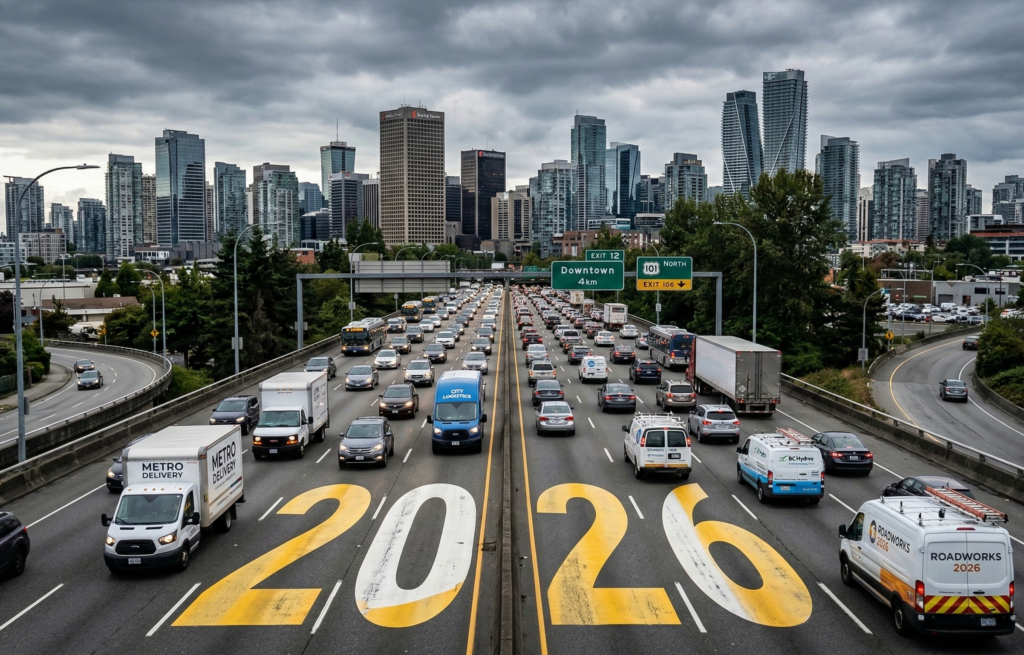
Samalla toimintaympäristö on muuttunut vaikeammaksi suunnitella. McKinsey toteaa , että kasvava kaupunkien ruuhkautuminen ja rajoitettu pääsy kadunvarsille lisäävät matkustusaikojen ja pysähdysaikausten vaihtelevuutta, kun taas tiukemmat toimitusajat jättävät vähemmän varaa viivästysten kompensoimiseen. Yhdessä asiakkaiden kasvavien odotusten kanssa tarkasta saapumisaikasta ja luotettavasta toimituksesta nämä tekijät lisäävät merkittävästi viimeisen kilometrin monimutkaisuutta ja toimitusverkostojen operatiivista painetta.
Viimeisen kilometrin operaattoreille tämä monimutkaisuus näkyy päivittäisenä kitkana:
Staattinen reitin suunnittelu ei ole tarkoitettu tälle ympäristölle.

Monet urakoitsijat luottavat edelleen reittisuunnittelussa taulukoihin, yksinkertaisiin karttatyökaluihin tai kuljettajien kokemukseen. Tämä voi toimia, kun pysähdysten määrä on pieni. Se ei kuitenkaan toimi, kun monimutkaisuus kasvaa, etenkin kun mukaan lisätään aikarajat, vaihtelevat palveluaajat ja reitin keskivaiheilla tehtävät muutokset.
ATRI:n toimintakustannustutkimus osoittaa kuinka herkästi kuljetusten toimintakustannukset reagoivat ajokilometreihin, aikaan ja käyttöasteeseen. Kun ajokilometrit kasvavat, myös polttoaine-, työvoima- ja laitteistokustannukset nousevat.
Siksi kipu tuntuu usein näkymättömältä. Yksittäinen päivä ei näytä katastrofaaliselta. Mutta järjestelmä ajautuu tilanteeseen, jossa maksat enemmän pysähdyksestä ja saat vähemmän pysähdyksiä kuljettajan työtuntia kohden.
Myöhästyneet toimitukset eivät ole vain asiakaskokemukseen liittyvä ongelma. Ne ovat myös kustannusongelma.
McKinsey selittää , että parantamalla aikataulujen noudattamista 10–15 % voidaan vähentää toimituskustannuksia jopa 15 % vähentämällä ylityötunteja, uusintayrityksiä ja poikkeustilanteiden käsittelyä.
Tämä on tärkeää pakettien kuljettajille ja alueellisille kuriireille, koska "melkein ajoissa" aiheuttaa usein ketjureaktion:

Ratkaisu ei ole "työskennellä kovemmin". Ratkaisu on reitityksen kurinalaisuus, joka vastaa nykypäivän vaihtelevuutta. Käytännössä se tarkoittaa reitin optimointiratkaisujen valitsemista, jotka pystyvät vastaamaan todellisiin muutoksiin ilman, että lähetysosasto joutuu laatimaan suunnitelmia uudelleen käsin.
Alla on ohjeet, joita voit soveltaa riippumatta siitä, arvioitko reitin optimointiohjelmistoa, korvaatko taulukkolaskentaohjelmia reittisuunnitteluohjelmistoilla tai päivitätkö perus karttatyökalusta täysimittaiseen reittisuunnitteluohjelmistoon.
Staattiset suunnitelmat perustuvat oletukseen, että päivä sujuu suunnitelmien mukaisesti. Näin tapahtuu kuitenkin harvoin. Todellisessa toiminnassa uusia tietoja saapuu koko päivän ajan, kuten muuttuvat liikenneolosuhteet, myöhästyneet pysäkit, peruutukset tai lisäpyynnöt. Siksi reititysongelmia käsitellään usein dynaamisina ja ratkaistaan jatkuvilla päivityksillä yhden kiinteän suunnitelman sijaan. Applied Sciences -lehdessä julkaistussa tutkimuksessa korostetaan, että dynaamiset reititysmenetelmät ovat huomattavasti tehokkaampia kuin staattiset reititysmenetelmät ympäristöissä, joissa liikenne vaihtelee, aikarajat ovat tiukat ja tilaukset muuttuvat keskipäivällä, mikä vastaa hyvin viimeisen kilometrin toimitusten olosuhteita.
Tämä on käytännön ero yksinkertaisten navigointityökalujen ja todellisen reitinoptimointiohjelmiston tai monipysähdystoimintoihin suunnitellun reititysohjelmiston välillä.
Monet tiimit suunnittelevat ikään kuin tavoitteena olisi lyhin etäisyys. Todellisuudessa rajoitukset vaikuttavat marginaaliin:
Tässä kohtaa reittisuunnitteluohjelmistot ja erikoistuneet reittiaikataulutusohjelmistot erottuvat perusvälineistä. Parhaat järjestelmät optimoivat rajoitusten puitteissa, eivät niiden ympärillä.
Koska aikataulun mukaisuus on suoraan sidoksissa epäonnistuneisiin toimituksiin, uusintayrityksiin, ylityötunteihin ja poikkeustilanteiden käsittelyyn, se on myös suoraan sidoksissa katteeseen. Capgeminin tutkimus osoittaa, että toimitusaikojen ylitykset ja toimitusten epäonnistumiset ovat suurimpia tekijöitä viimeisen kilometrin toimituskustannuksissa, mikä vahvistaa sitä, miksi OTP:n parantaminen on operatiivinen vipu, ei vain brändi- tai palvelukysymys.
Yksinkertainen aloituskojetaulu urakoitsijoille:
Käytä sitten optimointia parantaaksesi ensin heikoimmin suoriutuvia alueita.
UPS:n ORION on julkinen esimerkki siitä, että algoritminen reititys voi olla manuaalista päätöksentekoa tehokkaampaa monimutkaisissa toimitusympäristöissä, mikä säästää noin 100 miljoonaa mailia ja 10 miljoonaa gallonaa polttoainetta vuodessa.
Periaatteen toimivuus ei edellytä UPS-asteikkoa. Useita reittejä ja alueita hoitaville urakoitsijoille monimutkaisuus suosii algoritmeja.
Kuluttajien odotukset ovat yhä enemmän siirtyneet kohti tiukempia toimitusaikoja. McKinsey raportoi , että 20–25 % kuluttajista valitsisi saman päivän tai välittömän toimituksen, jos hinta olisi edullinen. Tämä on huomattavasti enemmän kuin nykyiset toimitusmäärät, mikä lisää reittien suunnittelun monimutkaisuutta ja suunnittelupainetta viimeisen kilometrin operaattoreille. PwC raportoi , että 41 % kuluttajista on valmis maksamaan ylimääräistä saman päivän toimituksesta, mikä vahvistaa sitä, että toimitusnopeus ja luotettavuus ovat muuttuneet erottavista tekijöistä perusodotuksiksi.
Urakoitsijaverkostoissa tämä tarkoittaa usein sitä, että aikataulujen ylityksiä suvaitaan vähemmän ja suunnitelmien tarkkuuden ylläpitämiseen kohdistuu suurempi paine koko päivän ajan, ei vain lähetyshetkellä.

Jos etsit parasta reitinoptimointiohjelmistoa (tai parasta reititysohjelmistoa), oikea vastaus riippuu siitä, mitä todella yrität hallita.
Viimeisen kilometrin urakoitsijoille "paras" tarkoittaa yleensä:
Se on käytännönläheinen tavoite nykyaikaisille reitinoptimointiratkaisuille, kutsutpa niitä sitten reitinoptimointiohjelmistoiksi, reitinoptimointiohjelmistoiksi tai kokonaisvaltaisiksi lähetystyönkulun päivityksiksi.
Adoptio kiihtyy. Grand View Research arvioi reitinoptimointiohjelmistojen markkinan kasvavan yli 14 % vuosittain, mikä johtuu suurelta osin viimeisen kilometrin ja alueellisten toimitusten käyttötapauksista.
Tämä trendi ei ole pelkkää hypeä. Se heijastaa sitä, että staattinen suunnittelu on yhä haavoittuvaisempaa viimeisen kilometrin toimitusten taloudessa.
Reitityksen monimutkaisuuden lisääntyessä ja suunnitelmien muuttuessa yhä useammin päivän aikana reititystyökalut ovat nyt keskeisessä roolissa operaattoreiden päivittäisessä toiminnassa. Jotkut operaattorit ovat alkaneet ottaa käyttöön erityisiä alustoja, kuten ScheduledRoutes™ , osana lähetystä, riippuen reitin monimutkaisuudesta ja siitä, kuinka usein suunnitelmat muuttuvat päivän aikana.
Viimeisen kilometrin toimitus harvoin aiheuttaa suurta meteliä. Se vie hiljaa voittoja.
Jos hoidat useita reittialueita pakettitoimittajana, alueellisena kuriirina tai ISP:nä, kysymys ei ole siitä, auttaako optimointi. Kysymys on siitä, onko nykyinen reittisuunnittelun lähestymistapasi rakennettu vastaamaan päivittäin kohtaamiasi vaihteluita.
Tämän korjaaminen tarkoittaa siirtymistä staattisesta suunnittelusta todelliseen optimointiin, marginaalin todellisten tekijöiden mittaamista ja reititystyökalujen valitsemista, jotka pystyvät suunnittelemaan uudelleen päivän muuttuessa todellisissa toimintaolosuhteissa.